
If you've been climbing and training for a while, you've probably heard of deload weeks. At Lattice generally speaking, our training blocks are divided into 3 - 4 week training cycles (called mesocycles), each concluding with a deload week. It’s common to use a 2:1 or 3:1 train: rest ratio. However we get lots of pushback from climbers on this, with many asking; Is it really necessary for climbers? Could taking a week off slow your progress? Is it actually important to avoid injuries? In this article, we'll explore what a deload week is, who does and who doesn't need one and, how to structure a deload without sacrificing your hard-earned gains.
Why Should Climbers Deload?
We are big advocates of deload weeks for two main reasons. 1. Deloading helps you to head into the next mesocycle feeling fresh, well-rested and psyched. 2. It is during deload weeks that the body adapts to the training stimuli and actually recovers. This allows the central nervous system time for recuperation and helps you to sustain your training efforts whilst preventing injury and burnout. So not only is it good for your recovery and long term commitment to the sport, but it can also allow you to be consistent long term, by ensuring you enter each training block in a good mindset.
TIP💡: Some athletes plan their deload weeks around the time they would usually experience menstrual cycle symptoms, if it's likely to effect their training. More on managing your training around your cycle here.
When is a Deload Week NOT Necessary?
Although deload weeks are recommended in the majority of cases, there are times when it might not be required because fatigue/adaptation is being managed through alternative means or because your capacity to train has dropped more organically. Here are some common examples:
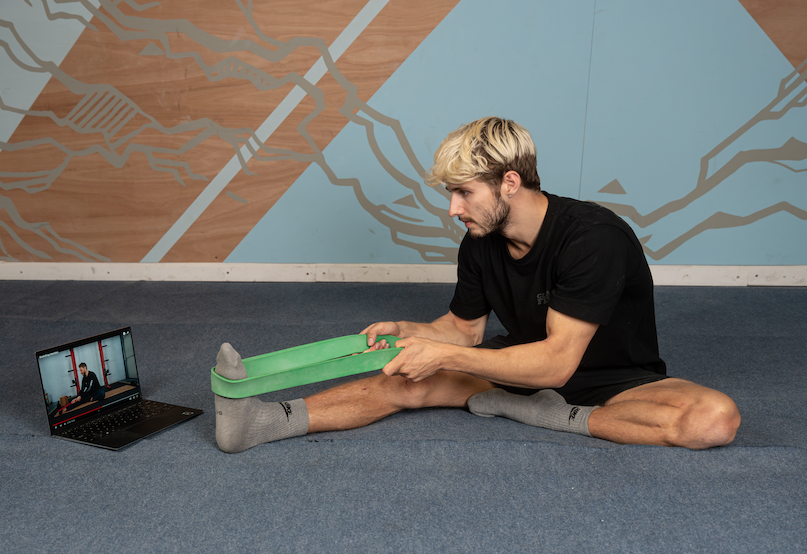 1. Injury Rehab Phase - When following a rehab program that has been prescribed by a physio, where the training load is managed at a more micro scale. The physio may moderate the load vs recovery within a week, rather than over a bigger timeframe. For example, taking a day on, day off approach.
2. Maintenance Phase - Consider a stressful exam period or a busy period at work. You would be unable to climb and train at your normal capacity. At times like this, training load may be consistently low, meaning a deload isn’t necessary.
3. Extended Performance Phase - This could look like a long climbing trip, or a comp climbing season. Although you should still plan some weeks where you take a bit of a break, a more traditional deload may not be suitable.
4. Build Phase - Are you completely new to training? In this case, you’ll likely be very gradually layering in some structure, whilst keeping the overall load low, so a deload might not be needed.
How to Deload as a Climber?
A common misconception is that you need to take a whole week off, and do no training or climbing. Actually, you should aim to reduce your overall training load by 40 - 60%.
This load can be reduced in several ways:
Reduced Volume of Climbing - Drop the number of climbing sessions completed during the week or the amount of climbing you do within a session.
Reduced Volume of S&C - Streamline the number of exercises you complete or reduce the number of sets for each exercise. With some exercises, you could reduce the time under tension, so if you’ve been working on 10-second edge pick-ups, you could reduce the time to 5 seconds.
 Reduced Intensity of Climbing - During your climbing sessions, reduce the difficulty or grade of the climbs that you’re doing. Instead of max effort projecting, you could work at your flash grade.
TIP💡: Just because the intensity of climbing is lower, this doesn’t mean that you should increase the volume. So that training still feels valuable, try bringing intention to a particular aspect of movement that you would like to work on mastering.
Reduced Intensity of S&C - Reduce the load/weight used for each exercise. Even though you are deloading, you can still keep the intensity of some of your sessions high as long as you reduce the overall volume.
TIP💡: Resist the temptation to add in extra exercises that you don’t normally do and try not to make changes to your lifestyle like staying up later or having a less balanced diet, as this will also impact your recovery.
Deload weeks are an important part of the training process which allows you to recover, adapt and come back stronger for your next block of training.
The key is understanding that a deload doesn’t need to mean stopping completely. By reducing your training load while maintaining some movement and structure, you can give your body the recovery it needs without losing the skills, strength and habits you’ve been building.
Of course, the best deload strategy will look different for every climber. Your training history, goals, lifestyle, injury status and current fatigue levels all play a role in deciding when and how you should reduce your load.
This is where a structured training plan can help. Our LatticePlan takes the guesswork out of training by creating a personalised climbing plan that adapts around your goals, schedule and progress including when it’s time to push hard and when it’s time to recover.
Try LatticePlan free for your first 14 days and discover what smarter, more sustainable training can look like.
Comments (0)
Be the first to leave a comment.