Maintenance Training: The Golden Circle (Why, How, What) | Webinar
With lockdown restrictions lifting and climbers heading back out to the crag with the aim of putting their new fingerboard scores to the test, there is a lot of discussion about the balance between training and climbing outside. However, this issue is not a new one (albeit the contrast has been more stark given the sudden switch from home training to cragging). Every year the season changes from winter to spring, and from spring to summer, and climbers look to translate their rainy days and dark nights training to the rock.
But with the change in season comes an internal debate; should we keep training? We don’t want to lose all our gains and start back at square one come winter, but we also want to feel fresh at the crag.
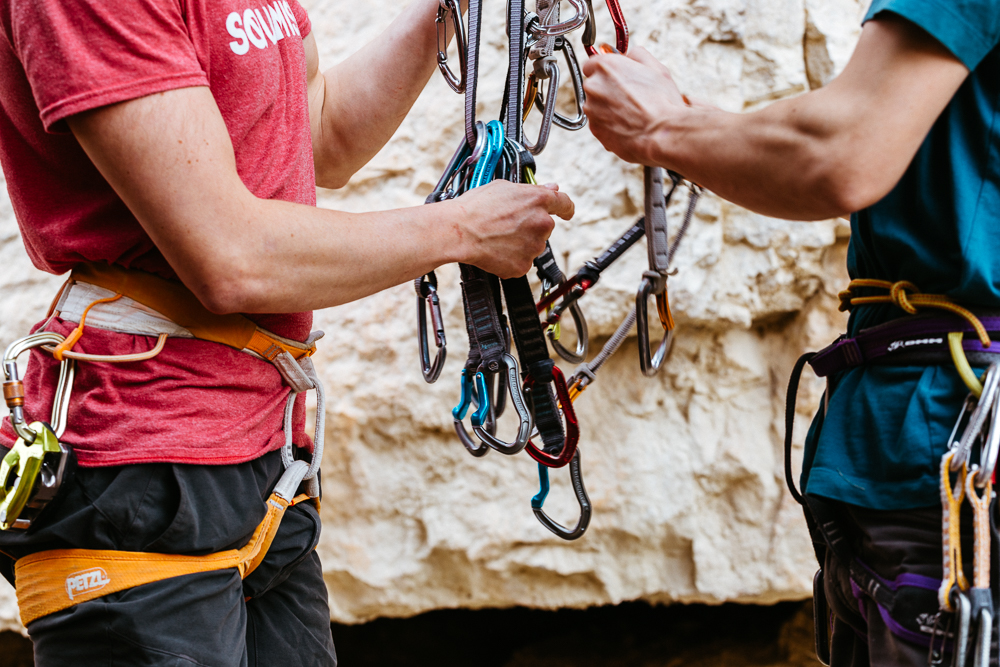
One approach is to stop training. After operating under the controlled conditions of 90% of max and RPE 7/10, we want to let loose… psyche is high, full crimp is out, and the structure of training doesn’t seem to fit with making links late into the evenings. So, we throw our plan out of the window. However, as the season progresses we start to feel like we are losing strength and power, and our shoulders are starting to complain about the hours spent slumped in our harness. We have set our sights on a specific project, and although we are improving on that set of moves, other planes of movement and grip types seem to be suffering. We hope that the stars align and that the rate at which we gain specificity is faster than the rate of decline of strength. At the end of the season, send or no send, we look to get back to training or undergo the common shift to bouldering for the winter. Getting back to training feels hard and hanging off a fingerboard feels foreign. More likely than not, you walk away from your bench-marking sessions a little disappointed, as you get ready to put in effort to get back to where you were.
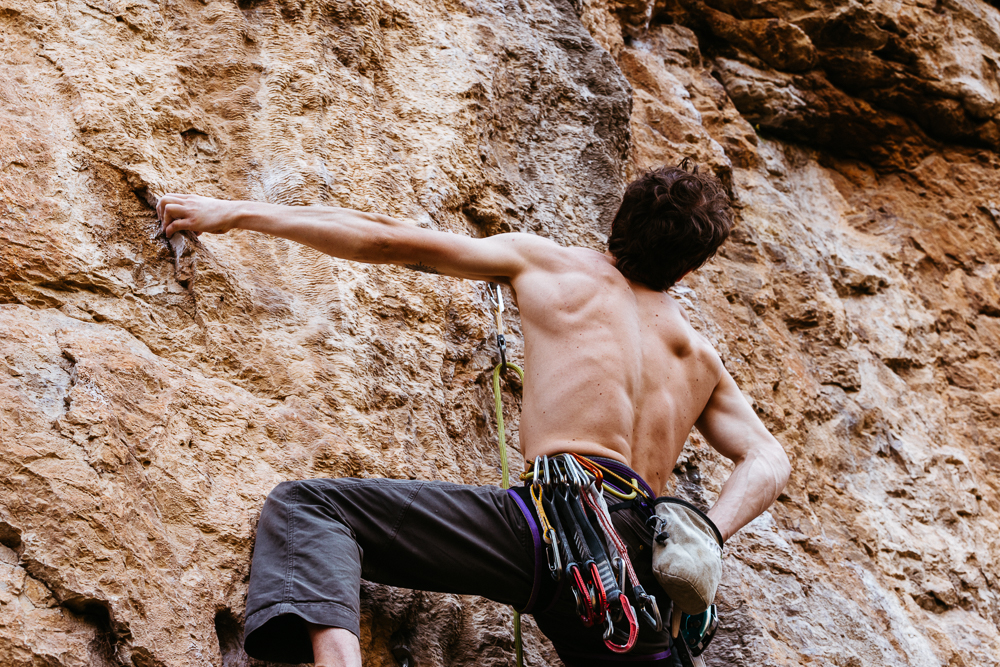
The other approach is to keep up all your training and add in outdoor climbing on top. That way you get to have your cake and eat it. You potentially feel good for a couple of weeks and then performance takes a nosedive, your fingers feel tweaky, and every morning you need a stronger coffee to get going. You have to dial back on both the training and climbing, and simply hope to recover enough to enjoy your time outdoors. Alternatively, you spend the summer nursing numerous complaints in your fingers, shoulders, and elbows, and when the season ends you have to spend the first few training cycles doing rehab. Ultimately, your strength was not maintained in the way you had hoped.
As with most things a balanced approach is best here. But just as people struggle with the concept of a balanced diet; a balanced approach to climbing and training seems equally hard to fathom.
So WHY should we do maintenance training? The aim of maintenance training is to slow or prevent a dip in maximal strength and power, as well as maintain functional movement and general health during a peak season. This is important if we want to make year-on-year improvement and reduce risk of injury.
When we focus on climbing outside, it is likely that one or more of the following factors will apply;
1) We aim to make the movements as efficient as possible, and use all muscles and physical attributes in synchrony, meaning that any one element e.g. finger strength, is not getting targeted in the same way it would in training, leading to that element becoming relatively de-trained.
2) We focus on a particular route or style of route and develop specific strength for certain terrains, movement styles, and grip types; reducing the variety in movement and potentially overworking certain muscle groups and tendons.
3) We go all out! Let’s face it, we don’t hold back on our projects and this puts a lot of strain on our bodies. We find it harder to walk away and often want to make the most of our days out. When we push hard on projects it is easy to pick up niggles and injuries.
So HOW do we go about maintenance training?
- The first step is about shifting mindset and managing expectations. The idea of maintenance training is just that, so don’t expect to be making big gains during this period.
- Keep intensity high, but reduce volume. This enables us to maintain our top end performance without introducing too much fatigue. A good example of this is cutting the number of sets in half.
- Go for a consistent loading. Set the number of sessions and intensity as constant so that you don’t need to manage peaks in training and the variable fatigue that this brings. A good example of this is choosing to maintain max hang fingerboarding, completing only half the sets, twice a week.
- Increase frequency of deload weeks. The aim of a maintenance phase is to prioritise outdoor climbing and recovery. Outdoor climbing might be consistent (say you can get out twice a week reliably), but more frequent deload weeks from training will help prevent fatigue building up from the maintenance training. For example, you might train during winter 3 weeks on, 1 week off, and switch this to 2 weeks on, 1 week off during summer.
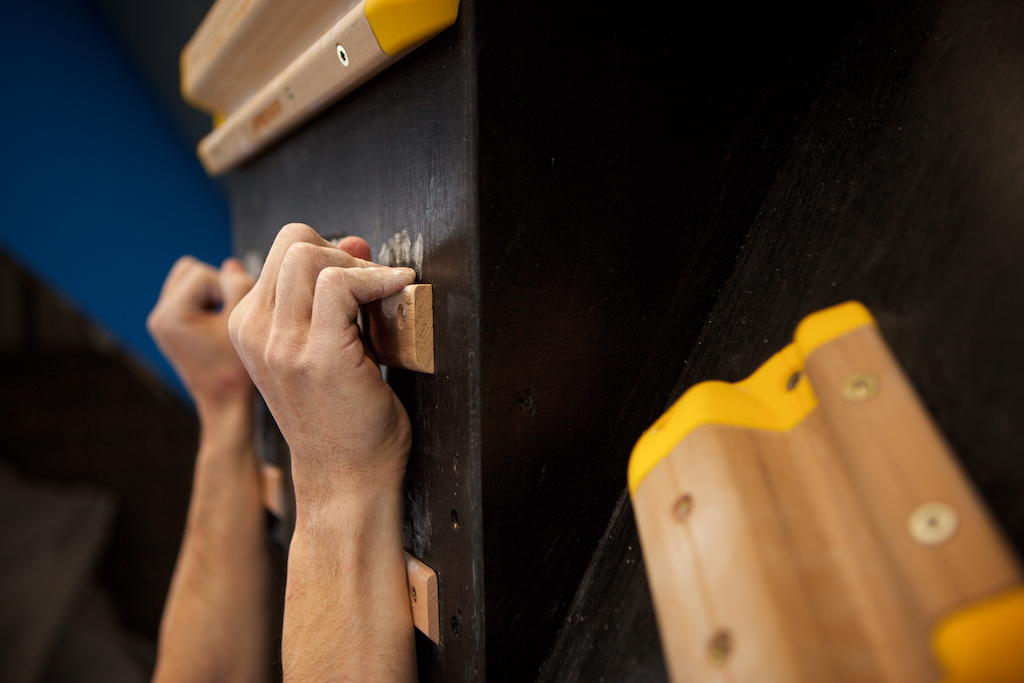
So WHAT do we do during a maintenance phase? What a climber decides to focus on in their maintenance phase will depend on a number of factors; what they are naturally maintaining through climbing outside, what their relative weaknesses are/what gains are hard earnt for them, their training age and general capacity. Due to this, it is hard to prescribe a golden set of rules in terms of what sessions and how many of them will make up an optimal maintenance phase. That said, given the demands of climbing and common areas of training focus, one option could be maintenance of finger strength, shoulder mobility, and max pull strength.
Some things to consider when thinking about maintenance training:
- You cannot maintain everything. You will need to prioritise in order to reduce training volume so think carefully about your individual situation. It is best not to introduce novel movements and protocols as learning new movements/exercises often comes with higher neurological fatigue and potential DOMS.
- Consider what you are doing outside. Not all outdoor sessions are equal… are you working moves on a project, doing good links, or in full redpoint mode. Your maintenance training should reflect this in terms of how much recovery time you need to be fresh at the crag.
- Think about how your maintenance training sessions play into your confidence and psychology. This isn’t talked about as often, but training sessions can either be confidence boosting or crushing. It is important to detach from training and realise that your training performance does not dictate how you will feel on your project. However, if you ensure you drop the volume so that you feel good during your short, high intensity sessions, you will likely find that the training helps maintain confidence in your basic physical strength.
- Be careful with the “high intensity” aspect of maintenance training… maintaining high intensity training doesn’t mean going to failure on every set/rep. Save your 10/10 effort for outside.
- Think about post-crag food as part of your nutrition for the day. With daylight stretching out to 10 o’clock, you may find yourself at the crag past dinner time. If you want to complete maintenance training alongside climbing, and want to schedule this after your climbing day you will need to fuel for recovery! It does take some extra planning but packing a “dinner” as well as food for during your climbing day can make a big difference.



Comments 2